
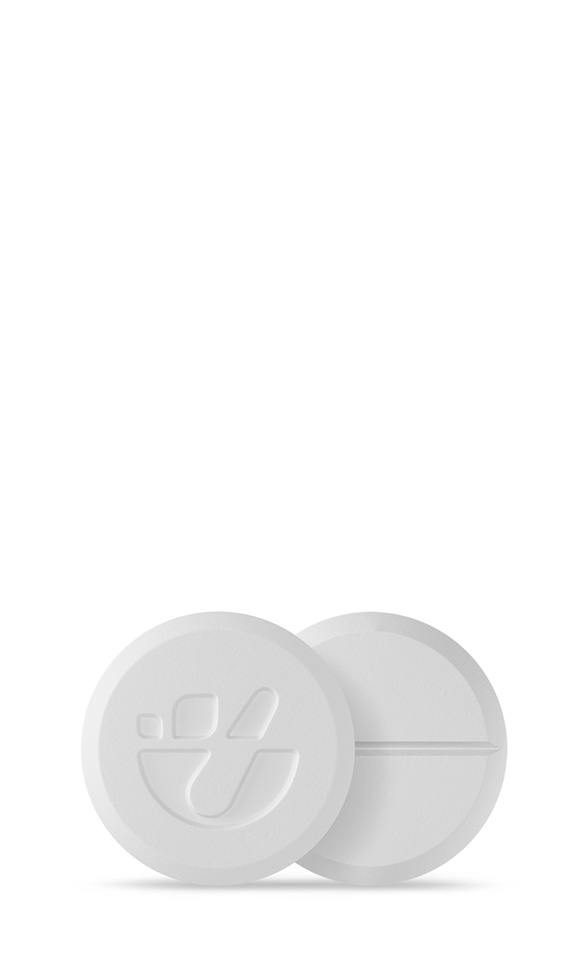
Tirzepatide ODT
Product Overview
Tirzepatide ODT is a compounded oral disintegrating tablet formulation of tirzepatide that dissolves rapidly under the tongue without the need for water. The medication is available exclusively through our 503A compounding pharmacy, which dispenses each prescription pursuant to a patient-specific prescription based on the prescribing healthcare provider’s determination of individual patient need. Compounded medications are not FDA-approved medications, and FDA does not review compounded medications for safety or efficacy. Tirzepatide ODT has not undergone clinical trials.
The formulation process involves careful consideration of various factors including dosage precision, stability parameters, and patient-specific considerations. Each tablet is formulated to ensure rapid disintegration while maintaining the stability and potency of the active pharmaceutical ingredient throughout its designated beyond-use date.
The oral disintegrating technology employed in this formulation ensures that the medication begins dissolving immediately upon contact with saliva.
The compounding process for Tirzepatide ODT employs pharmaceutical techniques to ensure uniform distribution of the active ingredient throughout each tablet while maintaining the rapid disintegration properties of the formulation. The formulation incorporates specialized excipients that facilitate quick dissolution while protecting the stability of tirzepatide during storage and handling.
The information below reflects a commonly used dosing approach for this product. It is provided for general information only and is not a dosing recommendation. A prescribing provider may select a different amount, frequency, or duration based on the patient’s treatment goals, response, tolerability, medical history, concomitant therapies, and other patient-specific factors.
Dissolve 1 tablet of the prescribed strength by mouth once daily.
Your prescribed amount, strength, frequency, or duration may differ from the common dosing information shown above. Use this medication only as directed on your prescription label, and do not change how you use it unless instructed by your prescribing provider. Contact your provider or pharmacist if you have questions about your individualized directions.
Tirzepatide ODT has not undergone clinical trials or been reviewed by FDA for safety or efficacy. Tirzepatide ODT contains the same active ingredient as injectable tirzepatide and is expected to share the same contraindication profile, though this formulation has not undergone clinical trials.
Healthcare providers must carefully consider the following contraindications before prescribing this medication to ensure patient safety. The primary contraindication for tirzepatide involves patients with a personal or family history of medullary thyroid carcinoma or patients with Multiple Endocrine Neoplasia syndrome type 2. This contraindication stems from observations in rodent studies where tirzepatide and similar GLP-1 receptor agonists caused thyroid C-cell tumors at clinically relevant exposures. While the relevance of these findings to humans remains uncertain, the potential risk necessitates avoiding tirzepatide in patients with known susceptibility to these rare thyroid malignancies. Healthcare providers should thoroughly review family medical histories and consider thyroid screening in patients with suspicious symptoms or findings before initiating therapy.
Patients with known hypersensitivity to tirzepatide or any component of the oral disintegrating tablet formulation should not receive this medication. Hypersensitivity reactions may manifest as urticaria, angioedema, bronchospasm, or anaphylaxis, and any previous allergic reaction to tirzepatide or related GLP-1 receptor agonists should be considered an absolute contraindication. The excipients used in the oral disintegrating tablet formulation may differ from those in injectable preparations, so patients should be evaluated for potential sensitivities to these specific components as well. Cross-reactivity between different incretin-based therapies has been reported, suggesting that patients with allergies to other GLP-1 receptor agonists should be approached with extreme caution if tirzepatide therapy is being considered.
Severe gastrointestinal disease represents another important contraindication for tirzepatide, particularly in patients with gastroparesis or other conditions causing significant delays in gastric emptying. Since tirzepatide inherently slows gastric emptying as part of its mechanism of action, administering it to patients with pre-existing gastroparesis could potentially worsen their condition and lead to severe gastrointestinal complications. Patients with inflammatory bowel disease or other significant gastrointestinal disorders may experience exacerbation of their symptoms with tirzepatide therapy. The oral disintegrating tablet formulation may present unique considerations for patients with oral mucosal conditions that could affect proper administration, which should be evaluated by the prescribing provider.
A history of pancreatitis requires careful evaluation before considering tirzepatide therapy. While the causal relationship between incretin-based therapies and pancreatitis remains debated, postmarketing reports have documented cases of acute pancreatitis in patients receiving GLP-1 receptor agonists. Patients with a history of pancreatitis, particularly those with chronic pancreatitis or recurrent acute episodes, may be at increased risk for pancreatitis recurrence or exacerbation. Additional risk factors for pancreatitis should be evaluated and managed by the prescribing provider before initiating therapy. Regular monitoring for signs and symptoms of pancreatitis is essential, and the medication should be discontinued immediately if pancreatitis is suspected.
Pregnancy represents an absolute contraindication for tirzepatide due to potential risks to fetal development. Animal reproduction studies have shown adverse effects on embryo-fetal development, and there are no adequate and well-controlled studies in pregnant women. Women of childbearing potential should use effective contraception during treatment with tirzepatide and should discontinue the medication before planned pregnancy. Given the long half-life of tirzepatide, discontinuation well in advance of planned conception is recommended, with specific timing determined by the prescribing provider. The oral disintegrating tablet formulation does not alter these reproductive considerations, and the same precautions apply regardless of the route of administration.
Worsening of pre-existing retinopathy has been observed with tirzepatide use. Patients with a history of retinopathy should undergo ophthalmologic evaluation before initiating therapy and be monitored during treatment, as determined by the prescribing provider.
Tirzepatide ODT has not undergone clinical trials or been reviewed by FDA for safety or efficacy. Tirzepatide ODT contains the same active ingredient as injectable tirzepatide and is expected to share the same interaction profile, though this formulation has not undergone clinical trials.
Tirzepatide exhibits several clinically significant drug interactions that healthcare providers must carefully consider when prescribing this medication to ensure therapeutic efficacy and patient safety. The primary interaction concern with tirzepatide involves its effect on gastric emptying, which can influence the absorption kinetics of concomitantly administered oral medications. Medications that require specific timing relative to meals or those with narrow therapeutic windows may have altered absorption profiles when taken concurrently with tirzepatide, particularly during the initial weeks of therapy.
Oral medications that require rapid absorption for acute symptom relief may have reduced effectiveness when administered with tirzepatide. Pain medications, particularly those used for acute pain management, may demonstrate delayed onset of action due to slower gastric emptying. Patients requiring time-sensitive medications should discuss timing and formulation considerations with their prescribing provider or pharmacist. Similarly, medications used for acute conditions such as migraine treatments or anti-nausea medications may require dose timing adjustments to ensure optimal therapeutic response.
When tirzepatide is used concurrently with insulin or other medications that affect blood glucose, the risk of hypoglycemia may increase. The prescribing provider should carefully evaluate concurrent medications and adjust dosing as appropriate for the individual patient.
Oral contraceptives present a unique interaction consideration with tirzepatide due to the potential for reduced absorption and efficacy. The delayed gastric emptying caused by tirzepatide may affect the bioavailability of oral contraceptive hormones, potentially compromising contraceptive efficacy. Women using oral contraceptives should be counseled about this interaction and may need to consider additional barrier methods of contraception, particularly during the first month of tirzepatide therapy or following dose increases. Women requiring reliable contraception while on tirzepatide therapy should discuss contraceptive options with their prescribing provider.
Medications with narrow therapeutic indices require special attention when prescribed alongside tirzepatide. Warfarin and other oral anticoagulants may have altered absorption and potentially variable anticoagulation effects when gastric emptying is delayed. More frequent monitoring of international normalized ratio values may be necessary, particularly during tirzepatide initiation or dose adjustments. Digoxin, lithium, and certain antiepileptic drugs also fall into this category and may require therapeutic drug monitoring to ensure levels remain within the therapeutic range.
Thyroid hormone replacement therapy interactions with tirzepatide deserve particular consideration. Levothyroxine absorption is particularly sensitive to gastric pH and timing relative to meals, and the delayed gastric emptying from tirzepatide may reduce levothyroxine bioavailability. Patients should maintain consistent timing of levothyroxine administration relative to tirzepatide, as advised by their prescribing provider. Thyroid function tests should be monitored more frequently during the initial months of combined therapy to ensure adequate thyroid hormone replacement.
Gastrointestinal medications may interact with tirzepatide through various mechanisms. Proton pump inhibitors and H2 receptor antagonists may be needed more frequently in patients experiencing gastrointestinal side effects from tirzepatide. However, these medications can also affect the absorption of other drugs and nutrients, creating complex interaction scenarios. Metoclopramide and other prokinetic agents that accelerate gastric emptying may theoretically counteract some of tirzepatide’s therapeutic effects and should generally be avoided unless determined necessary by the prescribing provider.
The interaction between tirzepatide and alcohol requires careful patient counseling. Alcohol can independently affect metabolic function and may mask hypoglycemia symptoms, creating additional risk when combined with tirzepatide therapy. Furthermore, alcohol may exacerbate gastrointestinal side effects such as nausea and vomiting that are commonly associated with tirzepatide. Patients should consult their prescribing provider about alcohol consumption during treatment.
Herbal supplements and over-the-counter medications may also interact with tirzepatide in clinically relevant ways. Supplements with potential glucose-lowering properties may have additive effects with tirzepatide and should be disclosed to the prescribing provider. Supplements affecting appetite or metabolism should be used cautiously and disclosed to the prescribing provider.
Tirzepatide ODT has not undergone clinical trials or been reviewed by FDA for safety or efficacy. Tirzepatide ODT contains the same active ingredient as injectable tirzepatide and is expected to share a similar side effect profile, though this formulation has not undergone clinical trials.
The side effect profile of tirzepatide encompasses a range of adverse reactions that vary in frequency and severity, with gastrointestinal effects representing the most commonly reported category of adverse events. Nausea occurs in a substantial proportion of patients initiating tirzepatide therapy, particularly during the initial weeks of treatment. This nausea tends to be mild to moderate in severity and often improves with continued use as tolerance develops. The sensation may be most pronounced following meals or during dose escalation periods, and some patients find that eating smaller, more frequent meals helps minimize this discomfort. Whether the oral disintegrating tablet formulation influences the onset or severity of nausea compared to injectable tirzepatide has not been established in clinical trials.
Vomiting represents another frequent gastrointestinal side effect. Episodes of vomiting are most common during the initiation phase and following dose increases, with frequency and severity typically decreasing over time. Persistent vomiting that leads to dehydration or electrolyte imbalances requires medical attention and may necessitate dose reduction or temporary discontinuation of the medication. The relationship between vomiting episodes and meal timing or composition should be evaluated to identify potential triggers and develop management strategies.
Diarrhea is common and can range from mild loose stools to more frequent watery bowel movements. This side effect may occur intermittently throughout treatment but is most common during the first few weeks of therapy. The mechanism likely involves the medication’s effects on gastrointestinal motility and secretion patterns. Patients experiencing persistent diarrhea should be monitored for signs of dehydration and electrolyte disturbances, particularly potassium and magnesium depletion. Dietary modifications, such as avoiding high-fat foods or lactose-containing products, may help manage this side effect.
Constipation occurs less common than diarrhea, and may alternate with periods of loose stools in some individuals. The delayed gastric emptying and altered intestinal motility associated with tirzepatide can contribute to constipation, which may be exacerbated by inadequate fluid intake or dietary fiber. Patients should maintain adequate hydration and report signs of dehydration to their healthcare provider.
Decreased appetite may occur in some patients and can become problematic if it leads to inadequate nutritional intake. Patients should be monitored for signs of malnutrition, particularly protein deficiency, and may benefit from nutritional counseling to ensure adequate intake of essential nutrients.
Injection site reactions, while not applicable to the oral disintegrating tablet formulation, may be replaced by oral mucosal irritation or taste disturbances specific to the ODT form. Some patients may experience a temporary alteration in taste perception or mild irritation of the oral mucosa where the tablet dissolves. These local effects are generally mild and transient, resolving within minutes to hours after administration. Patients with sensitive oral tissues or existing oral conditions may be more susceptible to these local effects.
Hypoglycemia risk varies depending on concurrent medications. When combined with insulin or other medications that affect blood glucose, hypoglycemia risk may increase if dose adjustments are not made by the prescribing physician. Symptoms of hypoglycemia may include shakiness, sweating, confusion, irritability, and rapid heartbeat. Patients should discuss hypoglycemia recognition and management with their prescribing physician.
Cardiovascular side effects, though generally mild, may include transient increases in heart rate of approximately two to four beats per minute on average. Some patients may experience palpitations or awareness of their heartbeat, particularly during the initial weeks of therapy. Blood pressure effects are variable across patients. Patients with pre-existing cardiovascular conditions should discuss appropriate monitoring with their prescribing provider.
Gallbladder-related adverse events, including cholelithiasis and cholecystitis, are uncommon with tirzepatide therapy. The risk appears to be related to rapid weight loss and altered bile composition associated with GLP-1 receptor agonist therapy. Patients should be informed about the signs and symptoms of gallbladder disease, including right upper quadrant pain, particularly after fatty meals, and should seek medical evaluation if these symptoms occur.
Renal effects are primarily related to volume depletion from gastrointestinal side effects rather than direct nephrotoxicity. Acute kidney injury has been reported in patients experiencing severe vomiting or diarrhea leading to dehydration. Patients with pre-existing renal impairment or those taking medications that affect renal function may be at higher risk. Regular monitoring of renal function and maintaining adequate hydration are important preventive measures.
Pancreatitis, though rare, represents a serious potential adverse effect that has been reported with GLP-1 receptor agonist therapy. The incidence with tirzepatide is rare, but patients should be educated about the signs and symptoms of pancreatitis, including severe abdominal pain that may radiate to the back, often accompanied by nausea and vomiting. Any suspicion of pancreatitis warrants immediate medical evaluation and discontinuation of tirzepatide pending investigation.
Allergic reactions ranging from mild rash to severe hypersensitivity have been reported rarely with tirzepatide therapy. Symptoms may include urticaria, pruritus, facial edema, or in severe cases, anaphylaxis. The oral disintegrating tablet formulation may contain different excipients than injectable forms, potentially presenting different allergen profiles. Patients with known allergies should have their sensitivities carefully reviewed before initiating therapy.
Patients who are pregnant or planning to become pregnant should inform their healthcare provider.
Patients who are breastfeeding or planning to breastfeed should inform their healthcare provider.
Proper storage of Tirzepatide ODT is essential for maintaining the medication’s stability and potency throughout its designated beyond-use date. The oral disintegrating tablets should be stored at controlled room temperature between sixty-eight and seventy-seven degrees Fahrenheit or twenty to twenty-five degrees Celsius, with allowable excursions between fifty-nine and eighty-six degrees Fahrenheit or fifteen to thirty degrees Celsius for brief periods such as during transport or temporary environmental fluctuations. These temperature parameters are critical for medication integrity and should be strictly followed as specified on the product label.
Protection from moisture represents a particularly critical storage requirement for Tirzepatide ODT due to the hygroscopic nature of oral disintegrating tablet formulations. The tablets must be kept in their original packaging until immediately before use, as the specialized packaging materials are designed to provide an effective moisture barrier that prevents premature dissolution or degradation of the tablets. Exposure to atmospheric humidity can cause the tablets to soften, stick together, or begin dissolving prematurely, which would compromise their effectiveness and make proper administration impossible. Patients should be instructed never to transfer the tablets to other containers such as pill organizers or weekly medication dispensers, as these typically do not provide adequate moisture protection.
Light protection is another important storage consideration for Tirzepatide ODT, as exposure to direct sunlight or intense artificial light can potentially accelerate the degradation of tirzepatide and affect the stability of the formulation. The original packaging is designed to provide appropriate light protection, and the medication should be stored in a dark location such as a closed cabinet or drawer rather than on countertops or window sills where it might be exposed to direct light. Prolonged exposure to ultraviolet radiation from sunlight can cause photodegradation of the active pharmaceutical ingredient, potentially reducing potency and creating degradation products that could affect medication integrity.
The storage location should be carefully selected to ensure both appropriate environmental conditions and safety from unauthorized access. A bedroom dresser drawer, hallway linen closet, or kitchen cabinet away from heat and moisture sources typically provides suitable storage conditions. Areas to avoid include bathrooms where humidity levels fluctuate significantly, kitchens near stoves or dishwashers that generate heat and steam, vehicles where temperature extremes are common, and locations near windows where temperature and light exposure vary throughout the day. The storage area should also be secure from access by children, pets, or anyone for whom the medication is not prescribed.
Keeping Tirzepatide ODT out of reach of children is a critical safety requirement that extends beyond simple elevation of storage location. The medication should be stored in a locked cabinet or container when possible, particularly in households with young children or when children visit regularly. The oral disintegrating tablet formulation may be particularly appealing to children due to its quick-dissolving nature, making secure storage especially important. Child-resistant packaging should always be properly re-secured after each use, though it should be remembered that child-resistant does not mean child-proof, and additional precautions are necessary.
The beyond-use date indicated on the Tirzepatide ODT packaging represents the date beyond which the medication should not be used, as established by stability testing under specified storage conditions. This date is determined by the compounding pharmacy based on stability data for the specific formulation and should be strictly observed. Patients should be instructed to check the beyond-use date before each administration and to properly dispose of any medication that has exceeded this date, even if it appears unchanged. The beyond-use date assumes proper storage conditions have been maintained throughout the medication’s life, and any significant deviation from recommended storage conditions may necessitate earlier disposal.
Travel considerations for Tirzepatide ODT storage require advance planning to maintain appropriate conditions while away from home. When traveling by air, the medication should be kept in carry-on luggage to avoid temperature extremes in cargo holds and to ensure continuous access to the medication. The original pharmacy packaging with the prescription label should always accompany the medication during travel for security screening and legal purposes. For extended travel, patients should consider the climate of their destination and may need to take additional precautions such as insulated medication bags or portable cooling devices if traveling to very hot climates, though freezing must be avoided.
Temperature excursion management is important for maintaining medication integrity when temporary deviations from recommended storage conditions occur. If patients experience any deviation from recommended storage conditions, they should contact their pharmacist for guidance on whether the medication remains suitable for use. However, prolonged exposure to extreme temperatures, particularly heat above ninety degrees Fahrenheit or freezing conditions, may irreversibly damage the medication. If patients suspect their medication has been exposed to extreme temperatures, they should contact their pharmacist or healthcare provider for guidance rather than continuing to use potentially compromised medication.
Proper disposal of unused or expired Tirzepatide ODT requires environmentally responsible methods that prevent unauthorized access and minimize environmental impact. Patients should not flush tablets down the toilet or pour them into drains unless specifically instructed to do so, as this can contribute to pharmaceutical contamination of water supplies. Many communities offer drug take-back programs or events where medications can be safely disposed of, and these represent the preferred disposal method when available. If take-back programs are not accessible, the FDA recommends mixing unused tablets with an unpalatable substance such as used coffee grounds or cat litter, sealing the mixture in a container, and disposing of it in household trash after removing or obscuring personal information from the prescription label.
Quality indicators that patients should monitor include the physical appearance and characteristics of the tablets, though visual inspection should not replace adherence to beyond-use dating. Any tablets that appear discolored, broken, or partially dissolved should not be used and may indicate exposure to inappropriate storage conditions. Changes in tablet texture, such as becoming soft or sticky, suggest moisture exposure and compromise of the formulation. Patients should be instructed to report any concerns about medication appearance or unusual effects to their pharmacist or healthcare provider promptly.
What makes Tirzepatide ODT different from regular tirzepatide injections?
Tirzepatide ODT is a compounded oral disintegrating tablet formulation that dissolves rapidly under the tongue without requiring water. The formulation is compounded by our 503A pharmacy to meet individual patient needs as determined by the prescribing provider. Compounded medications are not FDA-approved drugs. FDA does not review compounded medications for safety or efficacy.
How quickly does Tirzepatide ODT start working?
Patients should discuss with their physicians regarding expected outcomes and timing.
What should I do if I experience persistent nausea with Tirzepatide ODT?
Managing nausea associated with Tirzepatide ODT involves several strategies that can significantly improve comfort and tolerance. Eating smaller, more frequent meals throughout the day rather than large meals can help reduce nausea severity. Avoiding foods that are high in fat, spicy, or have strong odors may also help, as these can exacerbate gastrointestinal discomfort. Staying well-hydrated with small, frequent sips of water or clear liquids can prevent dehydration and may reduce nausea. Some patients find that taking the medication at a different time of day, such as before bedtime, allows them to sleep through the peak nausea period. If nausea persists despite these measures, healthcare providers may recommend extending the time at the current dose before attempting further dose escalation, or in some cases, temporarily reducing the dose. Nausea commonly improves over time as the body adjusts to the medication. The prescribing physician may recommend additional supportive measures if nausea persists.
Can I drink alcohol while taking Tirzepatide ODT?
Alcohol may increase the risk of hypoglycemia in patients taking concurrent medications that affect blood glucose, and symptoms of hypoglycemia may be masked. Alcohol can also exacerbate gastrointestinal side effects. Patients should consult their prescribing provider about alcohol consumption during treatment.
What happens if I miss a dose of Tirzepatide ODT?
If you miss a dose, follow your prescribing provider’s guidance on missed dose management. Doubling up on doses or taking extra tablets to make up for missed doses should never be done, as this increases the risk of side effects without clinical justification. Patients who frequently forget doses should consider setting reminders or alarms and should discuss adherence strategies with their healthcare provider to maintain consistent dosing.
How should I handle the oral disintegrating tablets?
Proper handling of Tirzepatide ODT tablets is essential for maintaining their integrity and ensuring proper administration. Tablets should remain in their original packaging until immediately before use to protect them from moisture and maintain their rapid-dissolving properties. Hands should be completely dry when handling the tablets, as moisture can cause premature dissolution. The tablet should be removed carefully from its packaging and immediately placed under the tongue, where it will dissolve within thirty to sixty seconds without the need for water. Patients should not push the tablet through foil packaging if present, as this could damage the tablet. The tablet should not be split, crushed, or chewed, as this could affect its dissolution characteristics. If a tablet is accidentally dropped or appears damaged, it should be discarded and a new tablet used.
Administration Instructions
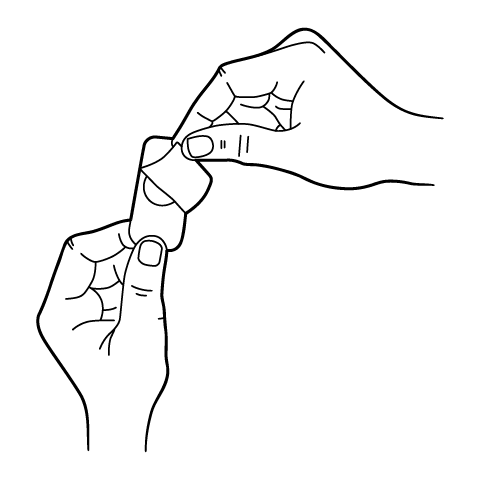
ODT and Troches Instructions
 Vardenafil ODT
 Tri-Mix Injection
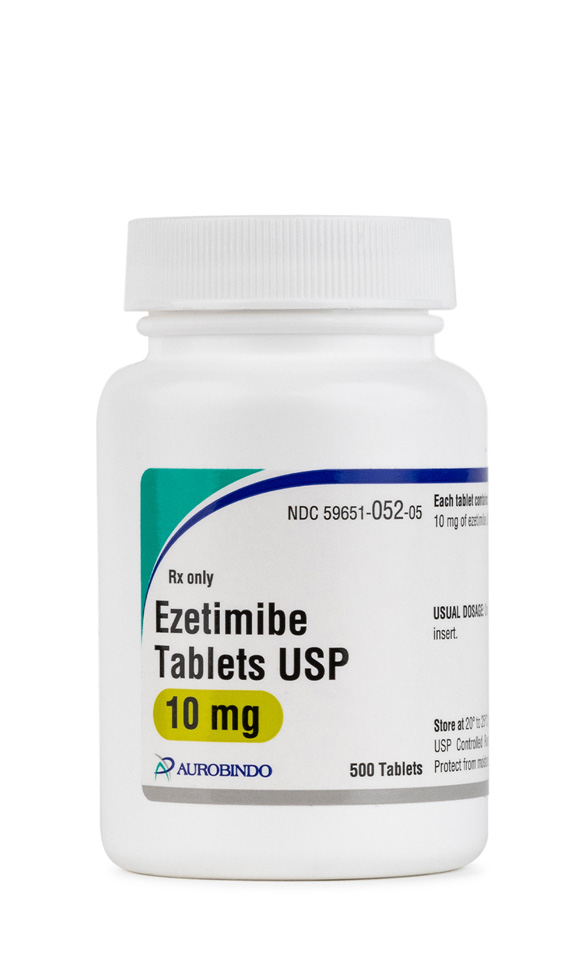 Ezetimibe Tablets
 Bella Capsules
 Tadalafil / Apomorphine HCl Troches
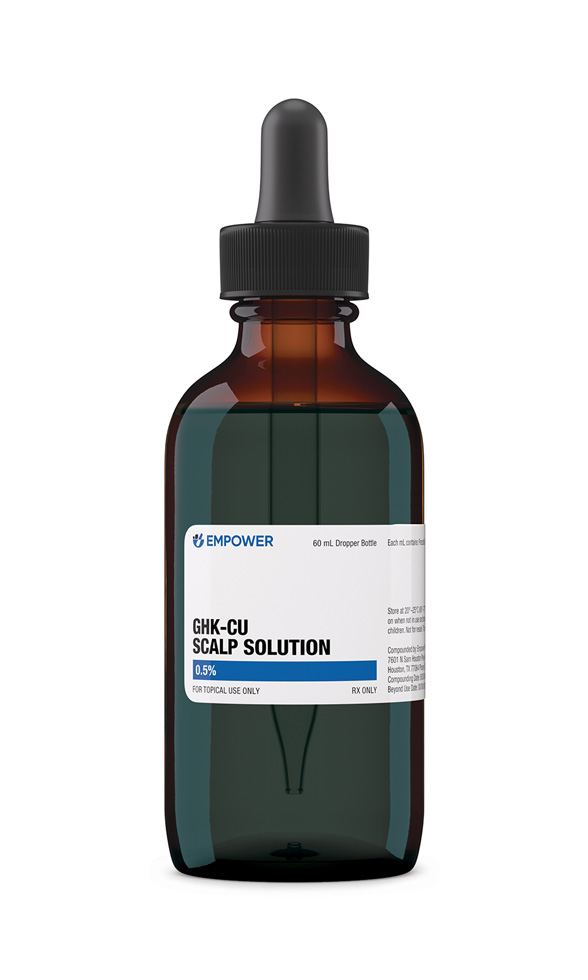 GHK-Cu Scalp Solution
 Sildenafil / Paroxetine Capsules
 Melatonin Capsules
 Tadalafil / Oxytocin ODT
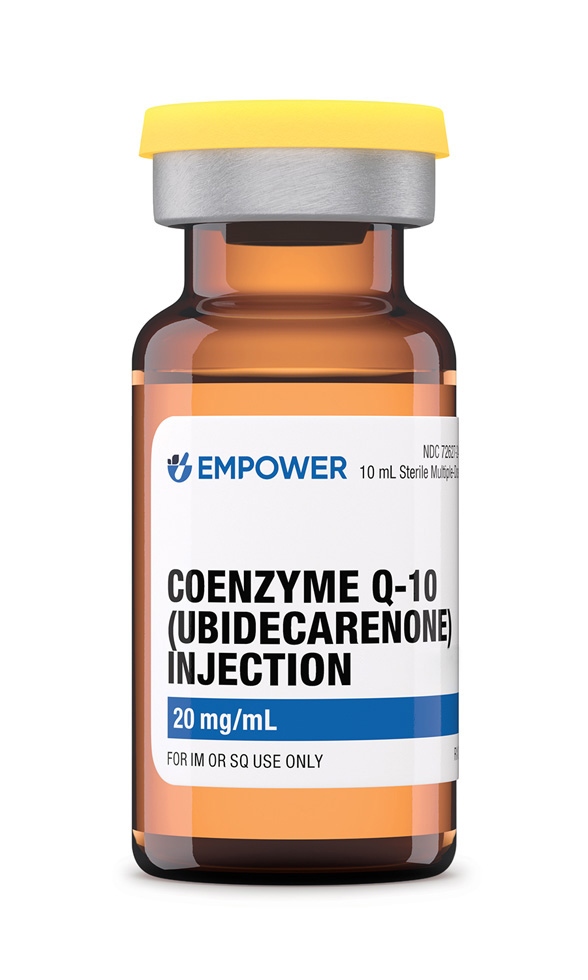 Coenzyme Q10 (Ubidecarenone) Injection
503A vs 503B
- 503A pharmacies compound products for specific patients whose prescriptions are sent by their healthcare provider.
- 503B outsourcing facilities compound products on a larger scale (bulk amounts) for healthcare providers to have on hand and administer to patients in their offices.
Frequently asked questions
Our team of experts has the answers you're looking for.
A clinical pharmacist cannot recommend a specific doctor. Because we are licensed in all 50 states*, we can accept prescriptions from many licensed prescribers if the prescription is written within their scope of practice and with a valid patient-practitioner relationship.
*Licensing is subject to change.
Each injectable IV product will have the osmolarity listed on the label located on the vial.
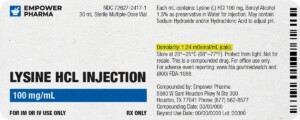
Given the vastness and uniqueness of individualized compounded formulations, it is impossible to list every potential compound we offer. To inquire if we currently carry or can compound your prescription, please fill out the form located on our Contact page or call us at (877) 562-8577.
We source all our medications and active pharmaceutical ingredients from FDA-registered suppliers and manufacturers.