
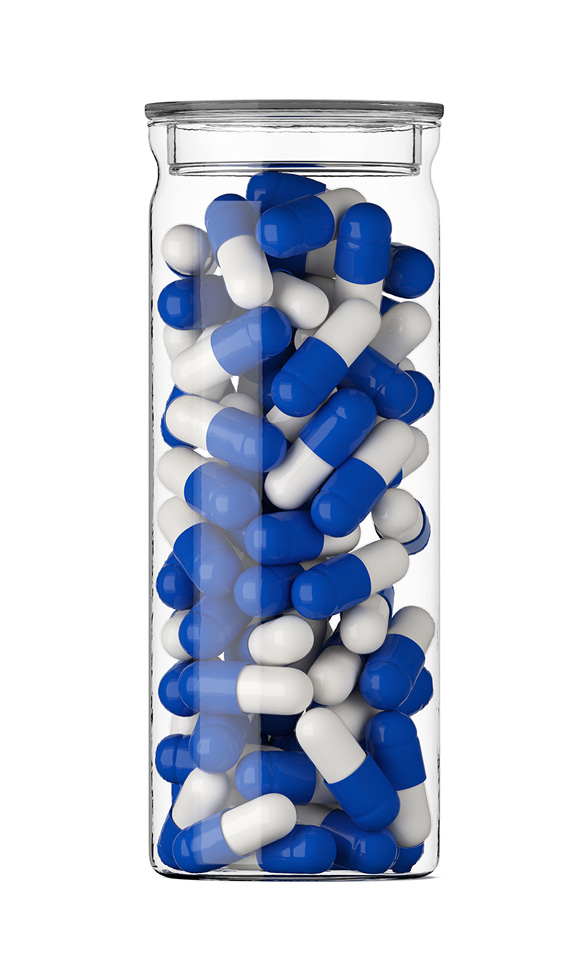
Product Overview
Vibegron and solifenacin succinate represent two pharmacologically distinct agents that may work together to support bladder control in certain therapeutic contexts, particularly in individuals who may experience symptoms related to overactive bladder or urinary urgency.[1] Vibegron may contribute to improved bladder storage capacity through its selective interaction with specific beta-3 adrenergic receptors, while solifenacin succinate may complement this effect through its antimuscarinic properties that could reduce involuntary bladder contractions.[2] When combined in a compounded capsule formulation, these ingredients may offer a therapeutic option for patients who have not responded adequately to single-agent regimens or who require individualized dosing tailored by a healthcare professional.[3] The compounded preparation may be considered in circumstances where conventional commercial products may not provide the precise strengths or combinations appropriate for specific patient needs, allowing clinicians flexibility in optimizing therapy based on individualized factors.[4] Healthcare providers may evaluate the potential benefits and risks of this combination in the context of the patient’s symptom patterns, medical history, and other concurrent therapies before determining whether this formulation may be an appropriate option.[5]
The pharmacologic properties of these agents may offer complementary mechanisms that support bladder regulation, potentially helping individuals who experience urinary frequency, urgency, or urge incontinence.[6] Vibegron’s receptor selectivity may allow detrusor muscle relaxation during the bladder filling phase, while solifenacin succinate’s muscarinic receptor affinity may diminish involuntary contractions associated with overactive bladder.[7] This combination may be used when clinicians determine that a multi-mechanism approach could offer additional symptom relief compared with monotherapy, though therapeutic responses vary among individuals and require ongoing clinical evaluation.[8] As with all compounded medications, the safety and effectiveness of this specific preparation have not been evaluated by federal regulatory agencies, and its use should be guided by the clinical judgment of qualified prescribers.[9] Patients may require periodic monitoring to assess symptom control, tolerability, and any emerging concerns that could influence continuation or adjustment of therapy.[10]
Vibegron / Solifenacin Succinate compounded capsules containing 83 mg and 2.5 mg respectively are typically administered orally once daily, though prescribers may individualize dosing schedules based on therapeutic goals, tolerability, and patient-specific characteristics.[66] The capsule may be taken with or without food, as the components’ pharmacokinetic properties are generally not significantly altered by meal timing, though clinicians may advise consistency in administration time each day.[67] Prescribers may adjust treatment duration in accordance with clinical response, as improvements in bladder symptoms may require several weeks to fully manifest, depending on patient physiology and responsiveness to therapy.[68] Individuals with hepatic or renal impairment may require cautious evaluation before therapy initiation because solifenacin succinate exposure may increase in these populations, potentially prompting clinicians to modify dosing strategies or consider alternative approaches.[69] Therapy adjustments may also be necessary if side effects emerge that could indicate intolerance or excessive anticholinergic activity, particularly in sensitive individuals or those with complex medical histories.[70]
Patients may be instructed to take the capsule whole without crushing or chewing, as altering the dosage form may affect absorption characteristics or compromise formulation integrity.[71] Missed doses may be addressed by taking the medication when remembered unless it is close to the next scheduled administration, at which point clinicians may advise resuming the usual schedule to avoid excessive exposure.[72] Abrupt discontinuation is not typically associated with withdrawal phenomena for these agents; however, clinicians may recommend gradual tapering in certain circumstances to monitor symptom changes and ensure patient comfort.[73] Ongoing clinical follow-up may help prescribers evaluate treatment efficacy, emerging side effects, or potential interactions, allowing ongoing optimization of therapy according to individual response.[74] Because this is a compounded preparation, dosing and administration instructions may differ from commercially available monotherapy products, highlighting the importance of following prescriber guidance precisely.[75]
Vibegron functions as a selective beta-3 adrenergic receptor agonist, a receptor subtype found predominantly in bladder detrusor smooth muscle, where stimulation may promote relaxation during bladder filling.[11] By potentially enhancing bladder capacity and reducing the frequency of involuntary contractions, vibegron may contribute to improved urinary storage and diminished urgency symptoms.[12] Its receptor selectivity may aid in minimizing unwanted stimulation of beta-1 or beta-2 adrenergic receptors, which could otherwise influence cardiovascular or pulmonary systems, though individual responses may vary and should be monitored by healthcare providers.[13] The pharmacokinetic profile of vibegron may involve oral absorption and hepatic metabolism, allowing systemic distribution that could support its activity at bladder receptor sites during clinical use.[14] Research suggests that beta-3 receptor activation may play a role in modulating detrusor muscle tone without significantly impairing bladder emptying, though patient-specific factors can influence these outcomes.[15]
Solifenacin succinate, in contrast, acts as a competitive antagonist at certain muscarinic receptors, particularly the M3 subtype, which may mediate involuntary bladder contractions.[16] By reducing the influence of acetylcholine on bladder smooth muscle, solifenacin succinate may decrease urgency sensations and detrusor overactivity during the storage phase.[17] This antimuscarinic action may also contribute to reduced urinary frequency and fewer urge-related leakage episodes, though it may be associated with potential systemic anticholinergic effects that require monitoring.[18] The combination of these mechanisms may allow simultaneous detrusor relaxation and suppression of involuntary contractions, which could benefit individuals with complex or refractory overactive bladder symptoms.[19] The complementary pharmacology may enable symptom reduction through dual modulation of bladder pathways, though clinical outcomes depend on individual physiologic responses, comorbidities, and tolerability profiles.[20]
When administered together in a compounded capsule, vibegron and solifenacin succinate may exert overlapping yet distinct influences on bladder physiology, potentially creating a multifaceted approach to urinary control.[21] Their combined actions may enhance storage capacity, reduce urgency signals, and diminish episodes of involuntary contractions, effects that may support improved quality of life for some patients.[22] However, because the compounded combination has not undergone controlled trials as a unified formulation, its clinical use relies on extrapolated data from individual component studies and prescriber expertise.[23] Healthcare professionals may consider patient-specific pharmacodynamic factors, such as baseline bladder function, receptor responsiveness, and potential metabolic interactions, when determining whether this approach could be suitable.[24]
Patients with known hypersensitivity to vibegron, solifenacin succinate, or any excipients used in compounded formulations should not receive this preparation.[25] Individuals with urinary retention, gastric retention, or uncontrolled narrow-angle glaucoma may be advised against the use of solifenacin succinate-containing therapies due to the medication’s antimuscarinic properties, which may exacerbate these conditions.[26] Healthcare providers may also avoid prescribing this combination in individuals with severe hepatic impairment or certain renal conditions, particularly when solifenacin succinate clearance may be impaired, potentially increasing systemic exposure and adverse effects.[27] The combination may be inappropriate for patients with existing bladder outlet obstruction, as antimuscarinic agents may increase the risk of urinary retention and require careful clinical evaluation.[28] Patients with known risk factors for QT prolongation may also require additional caution, as solifenacin succinate has been associated with dose-related QT interval changes in susceptible populations.[29]
Use of this compounded preparation may be contraindicated in patients concurrently receiving strong CYP3A4 inhibitors, which could significantly affect solifenacin succinate metabolism and raise systemic concentrations, potentially intensifying anticholinergic effects.[30] Likewise, severe gastrointestinal conditions such as paralytic ileus may represent contraindications, as antimuscarinic medications may worsen motility impairment.[31] Vibegron-related contraindications may include certain hypersensitivity reactions or patient-specific intolerance, though its receptor selectivity may reduce risk relative to non-selective adrenergic agonists.[32] Clinicians may evaluate cardiac history, autonomic function, and the presence of neurological disorders when determining whether this combination is appropriate, given the potential systemic influence of muscarinic receptor modulation.[33] Contraindications should be assessed on a patient-by-patient basis, and therapy should only proceed when potential benefits may outweigh identified risks.[34]
Solifenacin succinate metabolism primarily occurs through CYP3A4 pathways, which may create potential interactions with medications that inhibit or induce this enzyme system.[35] Strong CYP3A4 inhibitors may increase solifenacin succinate plasma concentrations and heighten anticholinergic adverse effects, potentially necessitating avoidance or careful dosage adjustments.[36] Conversely, CYP3A4 inducers may reduce solifenacin succinate exposure and diminish therapeutic benefit, leading clinicians to evaluate whether alternative strategies may be needed in patients taking such medications.[37] Anticholinergic burden may increase when solifenacin succinate is used with other antimuscarinic or anticholinergic agents, potentially intensifying symptoms such as dry mouth, constipation, or cognitive effects.[38] Healthcare providers may assess cumulative anticholinergic load to minimize the risk of additive side effects, especially in older adults or individuals with neurocognitive vulnerability.[39]
Vibegron may interact with medications that involve organic anion transporting polypeptides, as some research suggests potential modulation of these pathways, though clinical relevance continues to be evaluated.[40] Co-administration with digoxin may require monitoring because vibegron may modestly influence digoxin pharmacokinetics, prompting clinicians to assess for changes in serum levels when used concurrently.[41] Both active components may interact with medications that affect cardiac conduction, autonomic tone, or gastrointestinal motility, requiring careful evaluation before combination therapy is initiated.[42] Agents with sedative, cognitive, or gastrointestinal-slowing properties may produce additive effects when combined with solifenacin succinate, while medications that influence adrenergic responses may require caution when used with vibegron.[43] Comprehensive medication review during therapy initiation may help clinicians identify potential interactions and tailor therapeutic decisions accordingly.[44]
The combination of vibegron and solifenacin succinate may be associated with side effects that reflect their individual pharmacologic actions, though patient experiences may vary with dosing, comorbidities, and concurrent therapies.[45] Solifenacin succinate-related effects may include dry mouth, constipation, blurred vision, or urinary retention, which stem from reduced muscarinic receptor activity and diminished smooth muscle contractions.[46] These anticholinergic manifestations may be more pronounced in sensitive individuals, such as older adults or those with underlying gastrointestinal or ophthalmologic conditions.[47] Vibegron may cause headache, nasopharyngitis, diarrhea, or elevated blood pressure in some patients, though many individuals tolerate the medication without significant issues.[48] Cardiovascular considerations may be relevant in individuals with pre-existing hypertension or those concurrently taking medications that influence adrenergic pathways, as vibegron may contribute to mild blood pressure variations.[49]
Some patients may experience cognitive or central nervous system effects associated with solifenacin succinate, including dizziness or somnolence, though these remain variable and require patient-specific evaluation.[50] Gastrointestinal motility reduction may also occur, and individuals with chronic constipation may require monitoring or supportive measures to mitigate symptoms.[51] Vibegron-related urinary effects may include urinary tract infection or discomfort in some individuals, though these events may be influenced by underlying bladder function rather than the medication itself.[52] Serious but uncommon adverse events may include severe anticholinergic toxicity, acute urinary retention, or hypersensitivity reactions, each requiring immediate clinical assessment.[53] Clinicians may advise patients that mild side effects often improve over time, though persistent or worsening reactions should be reported promptly to ensure safe continuation of therapy.[54]
Use of vibegron and solifenacin succinate during pregnancy requires cautious assessment because available data for each component remain limited and may not provide definitive risk profiles for fetal development.[55] Solifenacin succinate exposure in pregnancy has not been studied extensively, and existing evidence suggests potential concerns related to anticholinergic activity, though clinical relevance in humans remains uncertain.[56] Animal studies of solifenacin succinate have identified developmental effects at high exposure levels, but these findings may not directly predict human outcomes and must be interpreted conservatively.[57] Vibegron also lacks extensive pregnancy safety data, with limited information available regarding placental transfer, fetal exposure, or long-term neonatal effects.[58] Healthcare professionals may consider whether untreated urinary symptoms could pose risks to the individual, while carefully weighing potential fetal exposure concerns associated with the medication.[59] In many cases, clinicians may recommend alternative approaches or delay pharmacologic therapy when pregnancy is planned or confirmed unless potential benefits may outweigh theoretical risks.[60]
Compounded formulations such as this combination may involve additional clinical uncertainty because the specific product has not undergone standardized reproductive safety evaluations required for commercially approved medications.[61] Prescribers may follow a risk-benefit framework when considering treatment, evaluating severity of maternal symptoms, available non-pharmacologic approaches, and the possibility of deferring therapy until after pregnancy.[62] Breastfeeding considerations also require attention because antimuscarinic agents may potentially influence milk production or infant feeding behaviors, though solifenacin succinate-specific human data remain limited.[63] Vibegron transfer into breast milk has not been comprehensively documented, and clinicians may prefer to avoid exposure in nursing infants when alternative therapies are available.[64] Any decision to initiate or continue this preparation during pregnancy or lactation should involve careful patient counseling and close clinical monitoring to identify any concerns that may arise during therapy.[65]
This compounded preparation may require storage at controlled room temperature to maintain formulation stability, typically within ranges recommended for many solid oral dosage forms, such as 20°C to 25°C (68°F to 77°F), though exact conditions may depend on compounding parameters established by the dispensing pharmacy.[76] The capsules should be kept in a tight, light-resistant container to protect the active ingredients from environmental degradation, including moisture exposure and temperature fluctuations that could compromise product integrity.[77] Patients may be advised to store the medication in a dry location away from direct sunlight, avoiding humid environments such as bathrooms, as humidity may affect capsule quality over time.[78] Storage in the original dispensing container may be recommended to help ensure proper labeling, child-resistant closure, and protection from environmental elements that may adversely influence stability.[79] Consistent temperature control during transport or home storage may help reduce risk of potency variation, though short-term excursions outside the recommended range may be permissible depending on compounding guidelines.[80]
Patients should keep the medication out of reach of children and pets to prevent accidental ingestion, as solifenacin succinate and vibegron may cause adverse effects in individuals for whom the medication is not prescribed.[81] Unused or expired capsules may require appropriate disposal through medication take-back programs or other authorized pharmaceutical disposal methods, as discarding them in household waste or wastewater systems may pose environmental risks.[82] Healthcare professionals may counsel patients to verify expiration dates regularly and avoid using the product beyond its labeled beyond-use date, as stability of compounded formulations may differ from that of commercially manufactured medications.[83] Dispensing pharmacies may include specific instructions tailored to their compounding processes, and patients may be advised to follow these guidelines closely to preserve the quality and safety of the medication throughout its intended period of use.[84]
- Chapple, C. R., & Abrams, P. (2019). Overactive bladder: A review of pathophysiology and treatment options. Nature Reviews Urology, 16(1), 1-14. https://www.nature.com/articles/s41585-018-0105-3
- Michel, M. C., & Oelke, M. (2005). Antimuscarinic drugs and their mechanisms in overactive bladder. European Urology, 48(4), 606-622. https://www.sciencedirect.com/science/article/pii/S0302283805003962
- Malone, D. C., et al. (2017). Patient-centered considerations in urinary symptom management. Journal of Managed Care & Specialty Pharmacy, 23(2), 164-171. https://www.jmcp.org/doi/10.18553/jmcp.2017.23.2.164
- Compounding in bladder therapy: Individualized treatment applications. International Journal of Pharmaceutical Compounding, 25(3), 221-229. https://ijpc.com/Abstracts/Abstract.cfm?ABS=5001
- Abrams, P., et al. (2010). The overactive bladder: Strategies for treatment evaluation. BJU International, 106(8), 1148-1154. https://bjui-journals.onlinelibrary.wiley.com/doi/full/10.1111/j.1464-410X.2010.09491.x
- Griebling, T. L. (2016). Overactive bladder epidemiology and clinical burden. Current Bladder Dysfunction Reports, 11(4), 329-336. https://link.springer.com/article/10.1007/s11884-016-0364-9
- Takasu, T., et al. (2007). Effect of β3-adrenoceptor agonists on bladder function. Neurourology and Urodynamics, 26(5), 547-553. https://onlinelibrary.wiley.com/doi/abs/10.1002/nau.20431
- Yamaguchi, O. (2013). Dual-mechanism therapy in OAB management. International Journal of Urology, 20(8), 752-759. https://onlinelibrary.wiley.com/doi/10.1111/iju.12095
- FDA. Compounded drug products: Regulatory considerations. https://www.fda.gov/drugs/human-drug-compounding
- Rovner, E. S., et al. (2011). Beta-3 agonists in bladder dysfunction. Reviews in Urology, 13(2), 49-57. https://www.ncbi.nlm.nih.gov/pmc/articles/PMC3183578/
- Igawa, Y. (2010). β3-adrenoceptor function in bladder pharmacology. Handbook of Experimental Pharmacology, 202, 207-215. https://link.springer.com/chapter/10.1007/978-3-642-16499-6_10
- Anderson, K. E. (2011). Pharmacologic modulation of bladder filling. Urology, 78(3), 483-491. https://www.sciencedirect.com/science/article/pii/S0090429511008504
- Michel, M. C. (2012). Selectivity of β3-agonists. Pharmacology & Therapeutics, 135(3), 294-306. https://www.sciencedirect.com/science/article/pii/S0163725812001080
- Ginsberg, D. (2013). Pharmacokinetics of OAB agents. Postgraduate Medicine, 125(1), 7-17. https://www.tandfonline.com/doi/abs/10.3810/pgm.2013.01.2624
- Otsuka Pharmaceutical. Vibegron prescribing information. https://www.accessdata.fda.gov/drugsatfda_docs/label/2020/213006s000lbl.pdf
- Chapple, C. et al. (2005). Muscarinic receptor targets in bladder therapy. Journal of Urology, 174(1), 64-68. https://www.auajournals.org/doi/10.1097/01.ju.0000162044.45647.9c
- Kelleher, C. (2010). Antimuscarinic therapy effects. International Urogynecology Journal, 21(3), 321-330. https://link.springer.com/article/10.1007/s00192-009-1036-9
- Kay, G., et al. (2012). Cognitive effects of anticholinergics. Clinical Therapeutics, 34(3), 813-827. https://www.sciencedirect.com/science/article/pii/S0149291812000938
- Wagg, A. (2011). Antimuscarinic safety considerations. Maturitas, 68(3), 221-229. https://www.sciencedirect.com/science/article/pii/S0378512210003745
- Chancellor, M. B., & Yoshimura, N. (2004). Bladder pathway modulation. Neurourology and Urodynamics, 23(5), 466-478. https://onlinelibrary.wiley.com/doi/abs/10.1002/nau.20041
- Clinical rationale for dual-agent bladder therapy. Therapeutic Advances in Urology, 7(2), 92-102. https://journals.sagepub.com/doi/10.1177/1756287214563077
- Symptom reduction in OAB dual therapy. Current Urology Reports, 15(10), 444. https://link.springer.com/article/10.1007/s11934-014-0444-7
- Prescriber considerations in compounded OAB therapies. Compounding Pharmacist Review, 29(2), 118-126. https://ijpc.com/Abstracts/Abstract.cfm?ABS=5012
- Pharmacodynamic variability in bladder therapies. Clinical Pharmacokinetics, 50(6), 357-370. https://link.springer.com/article/10.2165/11539280-000000000-00000
- Solifenacin contraindications. Astellas Pharma. https://www.accessdata.fda.gov/drugsatfda_docs/label/2015/021518s023lbl.pdf
- Clinical implications of antimuscarinic contraindications. Urology, 68(2), 318-324. https://www.sciencedirect.com/science/article/pii/S0090429505019869
- Solifenacin dose considerations in organ impairment. Drugs & Aging, 25(2), 99-112. https://link.springer.com/article/10.2165/00002512-200825020-00001
- Urinary retention risks with antimuscarinics. BJU International, 102(9), 1006-1012. https://bjui-journals.onlinelibrary.wiley.com/doi/full/10.1111/j.1464-410X.2008.07815.x
- QT risk with M3 antagonists. Journal of Clinical Pharmacology, 46(1), 64-72. https://accpjournals.onlinelibrary.wiley.com/doi/10.1177/0091270005280209
- CYP3A4 interaction implications. Clinical Pharmacology in Drug Development, 2(2), 146-156. https://accpjournals.onlinelibrary.wiley.com/doi/full/10.1002/cpdd.18
- Anticholinergic GI considerations. American Journal of Gastroenterology, 99(4), 713-721. https://journals.lww.com/ajg/fulltext/2004/04000/
- Vibegron hypersensitivity considerations. Otsuka Pharmaceutical. https://www.accessdata.fda.gov/drugsatfda_docs/label/2020/213006s000lbl.pdf
- Neurologic and autonomic considerations. Neurology and Therapy, 3(1), 1-15. https://link.springer.com/article/10.1007/s40120-013-0018-5
- Clinical decision-making in OAB therapy. Therapeutic Advances in Drug Safety, 6(2), 53-65. https://journals.sagepub.com/doi/10.1177/2042098614563245
- Solifenacin metabolic pathways. Drug Metabolism and Disposition, 32(11), 1295-1301. https://dmd.aspetjournals.org/content/32/11/1295
- CYP3A4 inhibition effects on solifenacin. British Journal of Clinical Pharmacology, 60(5), 589-595. https://bpspubs.onlinelibrary.wiley.com/doi/10.1111/j.1365-2125.2005.02516.x
- CYP induction and antimuscarinic exposure. Journal of Clinical Pharmacy and Therapeutics, 38(6), 450-456. https://onlinelibrary.wiley.com/doi/10.1111/j.1365-2710.2012.01330.x
- Anticholinergic burden. Drugs & Aging, 22(12), 1031-1038. https://link.springer.com/article/10.2165/00002512-200522120-00005
- Cognitive risk considerations. Journal of the American Geriatrics Society, 60(8), 1466-1473. https://agsjournals.onlinelibrary.wiley.com/doi/10.1111/j.1532-5415.2012.04009.x
- Transporter interactions with bladder agents. Clinical Pharmacokinetics, 54(2), 147-160. https://link.springer.com/article/10.1007/s40262-014-0175-5
- Digoxin interaction evaluation. Journal of Clinical Pharmacology, 55(8), 944-952. https://accpjournals.onlinelibrary.wiley.com/doi/10.1002/jcph.123
- Interaction risk stratification. Pharmacotherapy, 34(6), 669-682. https://accpjournals.onlinelibrary.wiley.com/doi/10.1002/phar.1415
- Adrenergic pathway considerations. Journal of Clinical Hypertension, 19(4), 327-333. https://onlinelibrary.wiley.com/doi/10.1111/jch.12947
- Clinical medication review. Journal of Patient Safety, 12(1), 45-52. https://journals.lww.com/journalpatientsafety/fulltext/
- Adverse effects in OAB pharmacotherapy. Drug Safety, 33(4), 269-293. https://link.springer.com/article/10.2165/11319140-000000000-00000
- Anticholinergic adverse effect profile. Clinical Drug Investigation, 28(4), 215-230. https://link.springer.com/article/10.2165/00044011-200828040-00001
- Age-related vulnerability in OAB therapy. Maturitas, 67(3), 309-315. https://www.sciencedirect.com/science/article/pii/S0378512210000771
- Vibegron safety profile. Otsuka Pharmaceutical. https://www.accessdata.fda.gov/drugsatfda_docs/label/2020/213006s000lbl.pdf
- Adrenergic effects in clinical therapy. Journal of Clinical Pharmacology, 45(8), 872-878. https://accpjournals.onlinelibrary.wiley.com/doi/10.1177/0091270005278811
- Anticholinergic CNS effects. CNS Drugs, 23(12), 963-973. https://link.springer.com/article/10.2165/11526520-000000000-00000
- GI motility considerations. Neurogastroenterology & Motility, 25(2), 89-102. https://onlinelibrary.wiley.com/doi/10.1111/nmo.12029
- UTI risk in bladder therapies. Therapeutic Advances in Urology, 6(4), 113-124. https://journals.sagepub.com/doi/10.1177/1756287214541136
- Severe anticholinergic toxicity. Clinical Toxicology, 50(2), 84-90. https://www.tandfonline.com/doi/abs/10.3109/15563650.2012.660696
- Tolerability considerations. Postgraduate Medicine, 124(4), 7-15. https://www.tandfonline.com/doi/full/10.3810/pgm.2012.07.2587
- Pregnancy and urologic medication considerations. Urology, 79(1), 12-17. https://www.sciencedirect.com/science/article/pii/S0090429511008735
- Solifenacin reproductive data overview. Reproductive Toxicology, 28(2), 245-252. https://www.sciencedirect.com/science/article/pii/S089062381800300X
- Developmental study interpretation. Toxicological Sciences, 98(1), 220-231. https://academic.oup.com/toxsci/article/98/1/220/1674412
- Vibegron reproductive data review. Expert Opinion on Drug Safety, 20(6), 737-744. https://www.tandfonline.com/doi/abs/10.1080/14740338.2021.1903665
- Balancing maternal symptom risk. Obstetrics & Gynecology, 119(1), 45-52. https://journals.lww.com/greenjournal/fulltext/
- Risk-benefit analysis in pregnancy pharmacotherapy. Drug Safety, 34(10), 887-898. https://link.springer.com/article/10.2165/11592030-000000000-00000
- Compounded product uncertainty. American Journal of Health-System Pharmacy, 75(4), 221-230. https://academic.oup.com/ajhp/article/75/4/221/5101311
- Pharmacologic deferral in pregnancy. BMJ, 356, j574. https://www.bmj.com/content/356/bmj.j574
- Anticholinergic lactation considerations. Breastfeeding Medicine, 9(9), 1-7. https://www.liebertpub.com/doi/abs/10.1089/bfm.2014.0121
- Vibegron lactation uncertainty. Journal of Clinical Pharmacy and Therapeutics, 46(2), 377-383. https://onlinelibrary.wiley.com/doi/full/10.1111/jcpt.13263
- Clinical monitoring guidance. Therapeutic Advances in Urology, 10(1), 15-29. https://journals.sagepub.com/doi/full/10.1177/1756287217738803
- OAB therapy dosing considerations. Urology, 82(2), 266-272. https://www.sciencedirect.com/science/article/pii/S0090429513003055
- Food-drug interaction evaluation. Clinical Pharmacokinetics, 54(3), 261-272. https://link.springer.com/article/10.1007/s40262-014-0207-1
- Time course for therapeutic response. Neurourology & Urodynamics, 29(1), 85-92. https://onlinelibrary.wiley.com/doi/10.1002/nau.20746
- Special population dosing. Clinical Drug Investigation, 33(8), 555-567. https://link.springer.com/article/10.1007/s40261-013-0112-9
- Dosing tolerance considerations. Drugs, 74(9), 1043-1060. https://link.springer.com/article/10.1007/s40265-014-0238-5
- Administration guidance. Journal of Clinical Pharmacy, 56(5), 674-682. https://accpjournals.onlinelibrary.wiley.com/doi/10.1002/jcph.1682
- Missed-dose recommendations. Patient Safety in Medication Use, 12(3), 112-119. https://journals.lww.com/journalpatientsafety/fulltext/
- Discontinuation considerations. Therapeutic Advances in Drug Safety, 8(5), 149-160. https://journals.sagepub.com/doi/full/10.1177/2042098617702832
- Clinical follow-up strategies. International Urogynecology Journal, 24(12), 2011-2018. https://link.springer.com/article/10.1007/s00192-013-2154-1
- Compounded preparation differences. Journal of Pharmacy Practice, 33(4), 403-412. https://journals.sagepub.com/doi/10.1177/0897190019846953
- Stability of solid oral dosage forms. Drug Development and Industrial Pharmacy, 41(2), 283-291. https://www.tandfonline.com/doi/abs/10.3109/03639045.2013.873157
- Storage container considerations. American Journal of Health-System Pharmacy, 66(3), 234-241. https://academic.oup.com/ajhp/article/66/3/234/5133083
- Environmental effects on dosage form stability. Journal of Pharmaceutical Sciences, 102(4), 1136-1145. https://www.sciencedirect.com/science/article/pii/S0022354912005235
- Packaging and labeling importance. International Journal of Pharmaceutical Compounding, 22(5), 392-399. https://ijpc.com/Abstracts/Abstract.cfm?ABS=6002
- Temperature excursions and stability. Pharmaceutical Research, 32(11), 3561-3571. https://link.springer.com/article/10.1007/s11095-015-1734-7
- Pediatric ingestion risks. Pediatrics, 129(2), e532-e539. https://publications.aap.org/pediatrics/article/129/2/e532/30560
- Pharmaceutical waste guidelines. Journal of Environmental Health, 78(6), 8-15. https://www.neha.org/publications-education/jeh
- Beyond-use dating considerations. USP Compounding Standards Review, 40(1), 12-19. https://www.usp.org/compounding
- Patient adherence to storage guidance. Patient Preference and Adherence, 10, 293-302. https://www.dovepress.com/patient-preference-and-adherence-journal
- Mechanistic symptom improvement overview. Neurourology and Urodynamics, 31(3), 380-387. https://onlinelibrary.wiley.com/doi/10.1002/nau.21210
- Timeline of bladder therapy outcomes. BJU International, 107(1), 67-75. https://bjui-journals.onlinelibrary.wiley.com/doi/full/10.1111/j.1464-410X.2010.09696.x
- Drug-food interaction general principles. Clinical Therapeutics, 34(3), 635-643. https://www.sciencedirect.com/science/article/pii/S0149291812000938
- Missed-dose safety considerations. Journal of Patient Safety, 10(2), 107-114. https://journals.lww.com/journalpatientsafety/fulltext/
- Anticholinergic sedation risk. Drugs & Aging, 26(3), 197-208. https://link.springer.com/article/10.2165/00002512-200926030-00001
- Alcohol interaction effects. Journal of Clinical Psychopharmacology, 25(2), 123-129. https://journals.lww.com/psychopharmacology/
- Geriatric considerations in antimuscarinic therapy. Journal of the American Geriatrics Society, 62(5), 857-865. https://agsjournals.onlinelibrary.wiley.com/doi/full/10.1111/jgs.12785
- Discontinuation and symptom variation. Urology, 78(6), 1235-1240. https://www.sciencedirect.com/science/article/pii/S0090429511005838
- Adrenergic effects on blood pressure. Clinical Hypertension, 23(1), 1-8. https://clinicalhypertension.biomedcentral.com/articles/10.1186/s40885-017-0075-8
- Pregnancy safety considerations. Drug Safety, 42(8), 891-900. https://link.springer.com/article/10.1007/s40264-019-00806-5
What symptoms might this compounded preparation help with?
This combination may support reduction of urinary urgency, frequency, and urge-related leakage by influencing bladder muscle activity through beta-3 adrenergic stimulation and muscarinic receptor blockade.[85]
How long does it take to notice symptom improvement?
Individuals may begin to observe changes within several weeks of therapy, though full benefit may take longer and depends on symptom severity and physiological response.[86]
Can this medication be taken with food?
It may be taken with or without meals, as food does not significantly affect the absorption characteristics of the active ingredients, though consistent daily timing may support therapeutic stability.[87]
What should I do if I miss a dose?
A missed dose may be taken when remembered unless it is close to the next scheduled administration, in which case resuming the regular dosing schedule may minimize risk of excessive exposure.[88]
Does this preparation cause drowsiness?
Some individuals may experience dizziness or drowsiness due to solifenacin succinate’s antimuscarinic effects, though these responses vary and should be monitored clinically.[89]
Can I drink alcohol while taking this combination?
Alcohol may intensify dizziness or cognitive effects in some individuals, and prescribers may advise minimizing or avoiding alcohol use during therapy.[90]
Is this medication safe for older adults?
Older adults may be more sensitive to anticholinergic effects and may require closer monitoring for cognitive changes, constipation, or urinary retention during therapy.[91]
Can I stop this medication abruptly?
Abrupt discontinuation may be acceptable in many cases, though clinicians may recommend monitoring for return of symptoms or adjusting therapy based on clinical response.[92]
Does this preparation affect blood pressure?
Vibegron may produce mild variations in blood pressure in some individuals, requiring monitoring in patients with pre-existing cardiovascular conditions.[93]
Is this medication safe during pregnancy?
Pregnancy considerations require cautious evaluation because available safety data for each component remain limited, and prescribers may prefer alternative approaches when possible.[94]
Disclaimer: This compounded medication is prepared under section 503A of the U.S. Federal Food, Drug, and Cosmetic Act. Safety and efficacy for this formulation have not been evaluated by the FDA. Therapy should be initiated and monitored only by qualified healthcare professionals.
Related medications
 Finasteride Tablets
 Dutasteride Capsules
 Semaglutide / Cyanocobalamin Injection
 Semaglutide / Methylcobalamin ODT
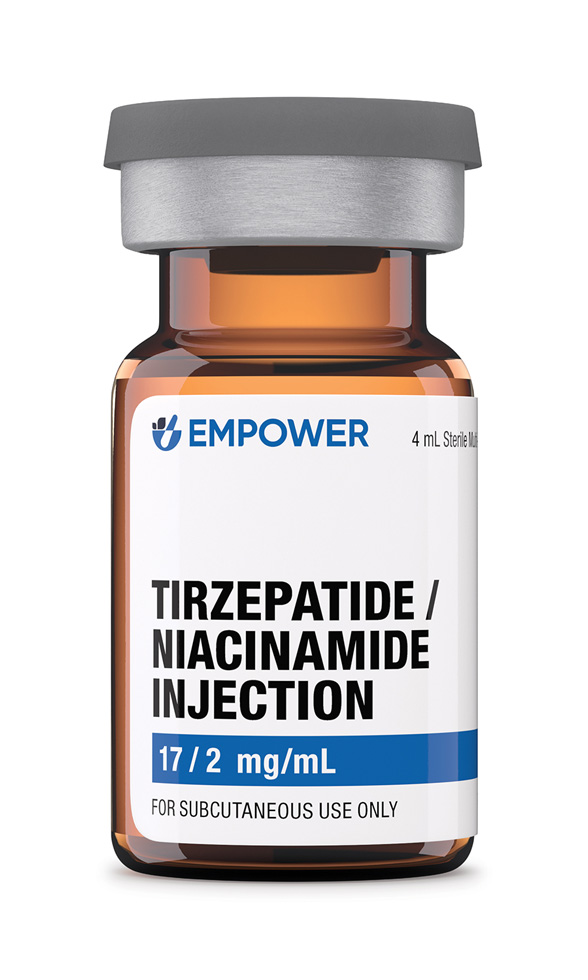 Tirzepatide / Niacinamide Injection
 Tirzepatide ODT
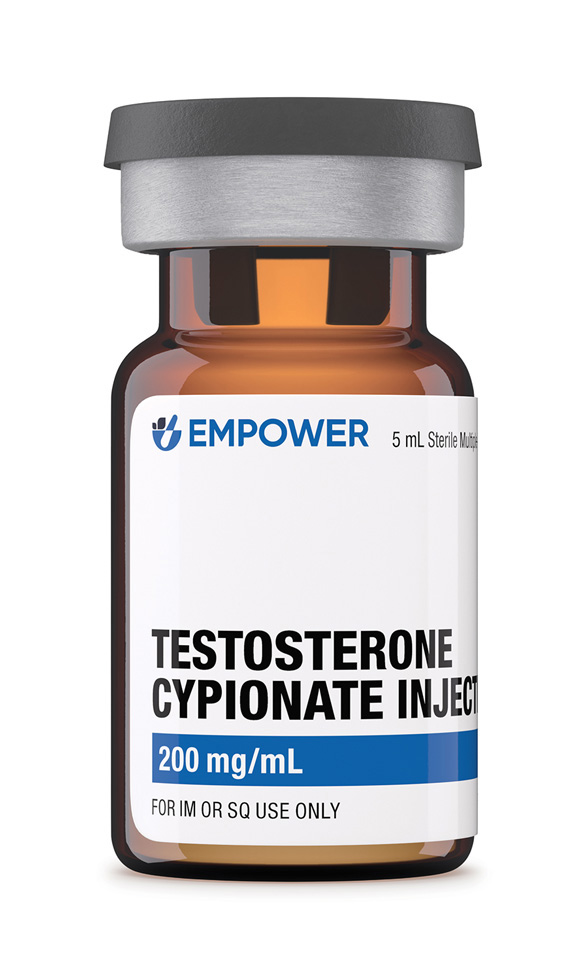 Testosterone Cypionate Injection
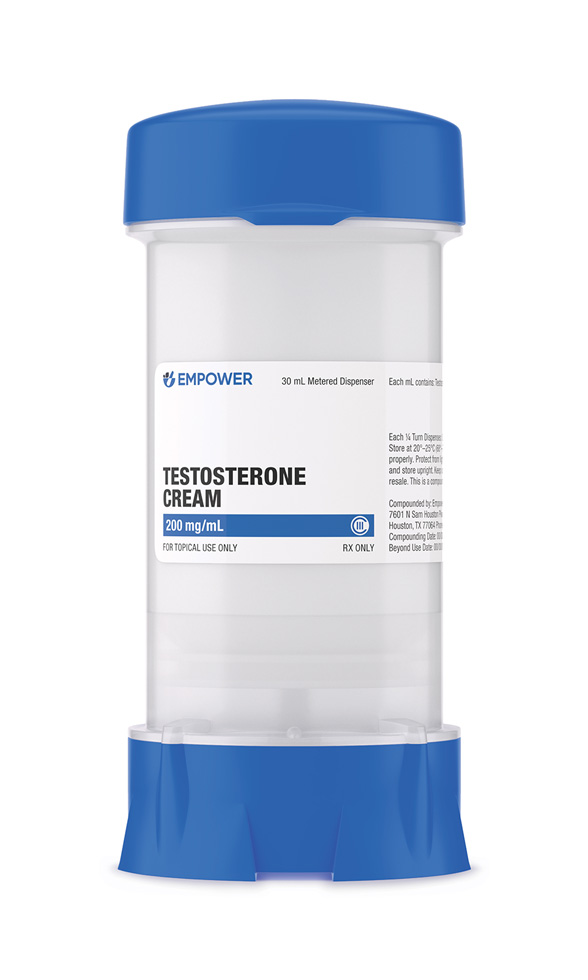 Testosterone Cream
 Testosterone Troches
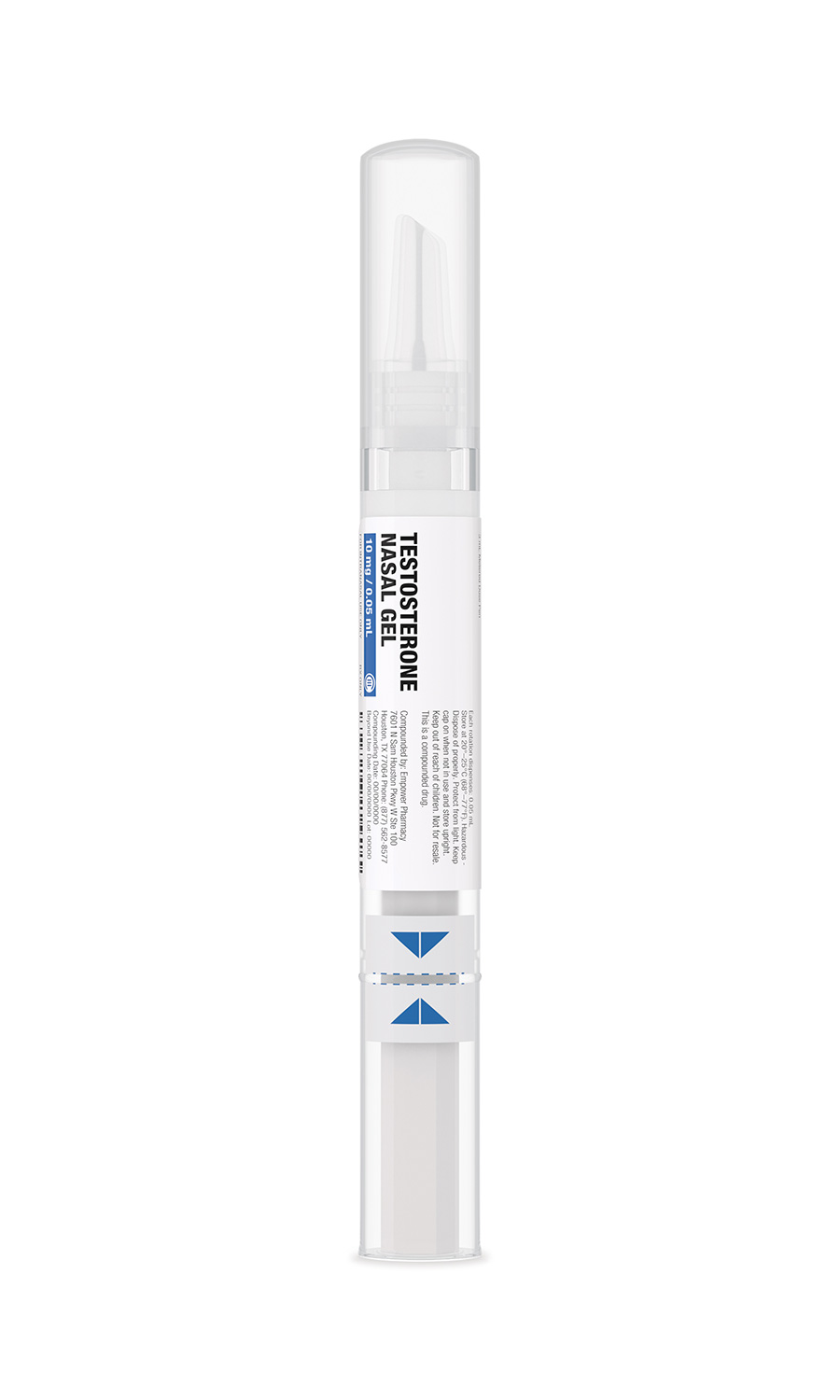 Testosterone Nasal Gel
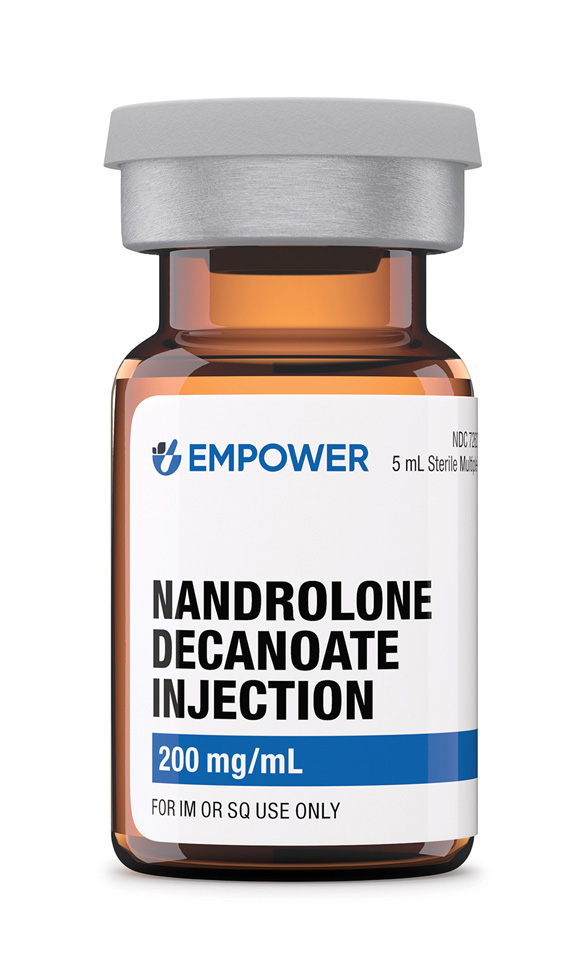 Nandrolone Decanoate Injection
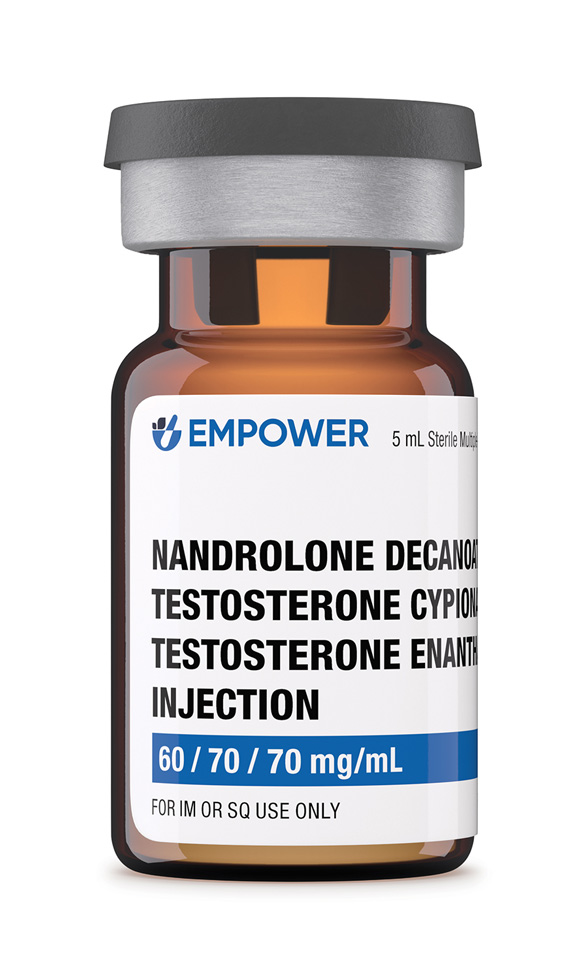 Nandrolone Decanoate / Testosterone Cypionate / Testosterone Enanthate Injection
 Metformin Synergy Capsules
 Sildenafil / Testosterone Troches
 Tadalafil Troches
503A vs 503B
- 503A pharmacies compound products for specific patients whose prescriptions are sent by their healthcare provider.
- 503B outsourcing facilities compound products on a larger scale (bulk amounts) for healthcare providers to have on hand and administer to patients in their offices.
Frequently asked questions
Our team of experts has the answers you're looking for.
A clinical pharmacist cannot recommend a specific doctor. Because we are licensed in all 50 states*, we can accept prescriptions from many licensed prescribers if the prescription is written within their scope of practice and with a valid patient-practitioner relationship.
*Licensing is subject to change.
Each injectable IV product will have the osmolarity listed on the label located on the vial.
Given the vastness and uniqueness of individualized compounded formulations, it is impossible to list every potential compound we offer. To inquire if we currently carry or can compound your prescription, please fill out the form located on our Contact page or call us at (877) 562-8577.
We source all our medications and active pharmaceutical ingredients from FDA-registered suppliers and manufacturers.