
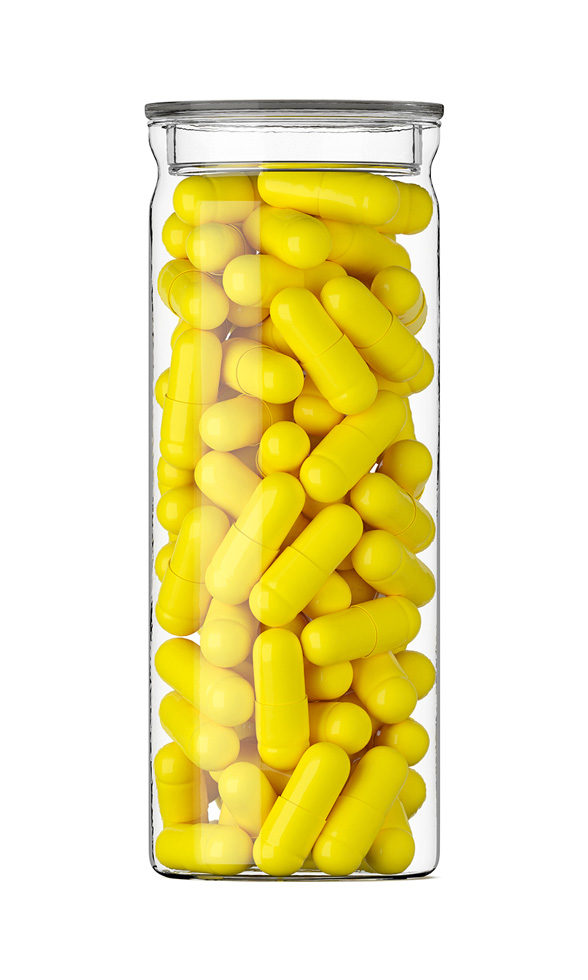
Product Overview
Vardenafil and paroxetine hydrochloride are pharmacologically distinct agents that may be combined in a compounded capsule to support management of male sexual health conditions, particularly erectile dysfunction and premature ejaculation.[1] Vardenafil is a phosphodiesterase type 5 inhibitor that may enhance erectile response by supporting penile blood flow during sexual stimulation, while paroxetine hydrochloride is a selective serotonin reuptake inhibitor that may increase ejaculatory latency through central nervous system modulation.[2] When used together under medical supervision, this combination may address both erectile rigidity and ejaculatory control in individuals for whom monotherapy has been insufficient.[3] The compounded formulation allows prescribers to individualize dosing strategies that may not be achievable with commercially manufactured products, potentially improving alignment with patient-specific therapeutic goals.[4] Clinical use should be guided by a comprehensive assessment of sexual function, comorbid conditions, and prior treatment response.[5]
Sexual dysfunction may involve multiple overlapping mechanisms, including vascular, neurological, and neurochemical factors, and combination therapy may be considered when addressing complex symptom presentations.[6] Vardenafil’s relatively rapid onset of action may support erectile responsiveness during anticipated sexual activity, while paroxetine’s serotonergic effects may contribute to delayed ejaculation over time.[7] The combination may be considered in men who experience both erectile difficulty and premature ejaculation, conditions that frequently coexist and may exacerbate one another.[8] As with all compounded medications, this preparation has not been evaluated by federal regulatory authorities for safety or efficacy as a combined product, and its use is based on extrapolation from available data on the individual components.[9] Ongoing clinical monitoring may be appropriate to assess efficacy, tolerability, and the need for therapy adjustment.[10]
Vardenafil / Paroxetine HCl compounded capsules containing 25 mg and 30 mg respectively are typically administered orally once daily, though dosing schedules may be individualized based on therapeutic goals and patient response.[61] The capsule may be taken with or without food, as food intake does not substantially alter absorption of either active ingredient.[62] Prescribers may recommend consistent daily administration timing to support stable pharmacologic effects, particularly for paroxetine’s serotonergic activity.[63] Effects on ejaculatory latency may require several weeks of therapy to evaluate fully, while erectile response depends on sexual stimulation and individual physiologic factors.[64] Treatment duration should be determined by the prescribing clinician based on observed benefit and tolerability.[65]
Capsules should be swallowed whole without crushing or chewing, as altering the dosage form may affect absorption characteristics or compromise formulation integrity.[66] Missed doses may be taken when remembered unless it is close to the next scheduled dose, in which case resuming the normal schedule may reduce the risk of excessive exposure.[67] Abrupt discontinuation of paroxetine-containing therapy may be associated with withdrawal symptoms in some individuals, and gradual tapering may be advised under medical supervision.[68] Ongoing clinical monitoring may support dose adjustments and identification of adverse effects or drug interactions.[69] Patients should follow prescriber instructions closely, as compounded preparations may differ from commercially available products.[70]
Vardenafil selectively inhibits phosphodiesterase type 5, an enzyme involved in the breakdown of cyclic guanosine monophosphate within penile smooth muscle cells.[11] Inhibition of this enzyme may enhance nitric oxide-mediated vasodilation during sexual stimulation, promoting increased blood flow to erectile tissue and facilitating erection.[12] Vardenafil does not directly induce erection in the absence of sexual arousal, as its mechanism depends on intact nitric oxide signaling pathways.[13] Pharmacokinetic characteristics of vardenafil may allow relatively rapid absorption following oral administration, which may support its use in planned sexual activity contexts.[14] Individual responsiveness may vary depending on vascular integrity, neurological status, and underlying medical conditions.[15]
Paroxetine hydrochloride increases synaptic serotonin concentrations by inhibiting presynaptic serotonin reuptake transporters, thereby enhancing serotonergic neurotransmission within central nervous system pathways.[16] Increased serotonergic tone may modulate ejaculatory reflexes and prolong intravaginal ejaculatory latency time in certain individuals.[17] The effect on ejaculation may develop over time and may be influenced by dose, treatment duration, and individual neurochemical sensitivity.[18] When combined with vardenafil, paroxetine may provide central modulation of ejaculatory timing alongside peripheral enhancement of erectile function.[19] This dual-mechanism approach may be considered in patients who require coordinated management of multiple aspects of sexual dysfunction.[20]
This compounded preparation should not be used in individuals with known hypersensitivity to vardenafil, paroxetine hydrochloride, or any excipients used in compounding.[21] Vardenafil is contraindicated in patients receiving nitrates or nitric oxide donors, as concurrent use may result in severe hypotension due to additive vasodilatory effects.[22] Individuals with significant cardiovascular disease, including unstable angina, recent myocardial infarction, or uncontrolled arrhythmias, may not be suitable candidates for phosphodiesterase inhibitor therapy and should undergo cardiovascular evaluation prior to treatment.[23] Paroxetine-containing therapies are contraindicated in patients receiving monoamine oxidase inhibitors or within a required washout period due to the risk of serotonin syndrome.[24] Patients with a history of serotonin syndrome or severe adverse reactions to selective serotonin reuptake inhibitors may require alternative therapeutic approaches.[25]
Additional contraindications may include severe hepatic impairment, where altered metabolism could increase systemic exposure to one or both components.[26] Individuals with significant renal impairment may also require careful assessment, as altered clearance could influence drug exposure and tolerability.[27] Paroxetine use may be contraindicated in patients with certain bleeding disorders or those receiving anticoagulant therapy due to potential effects on platelet aggregation mediated by serotonin pathways.[28] Patients with known QT prolongation or those receiving medications that affect cardiac conduction may require additional caution, as vardenafil has been associated with QT interval effects in susceptible individuals.[29] Contraindications should be evaluated individually, and therapy should only proceed when potential benefits may outweigh identified risks.[30]
Vardenafil is primarily metabolized via the cytochrome P450 3A4 pathway, and concomitant use with strong CYP3A4 inhibitors may increase systemic exposure, potentially intensifying adverse effects such as hypotension or visual disturbances.[31] CYP3A4 inducers may reduce vardenafil concentrations and diminish therapeutic response, prompting clinicians to reassess efficacy or consider alternative strategies.[32] Concurrent administration with alpha-adrenergic blockers may increase the risk of symptomatic hypotension, particularly during initiation or dose escalation.[33] Alcohol use may potentiate vasodilatory effects and contribute to dizziness or orthostatic symptoms when combined with vardenafil.[34] A thorough medication review may help identify and mitigate interaction risks before therapy initiation.[35]
Paroxetine may interact with numerous medications due to its inhibitory effects on CYP2D6, potentially increasing plasma concentrations of drugs metabolized through this pathway.[36] Combined use with other serotonergic agents may elevate the risk of serotonin syndrome, particularly when used with certain antidepressants, analgesics, or supplements affecting serotonin levels.[37] Paroxetine may also increase bleeding risk when used with antiplatelet agents or anticoagulants, necessitating monitoring in susceptible individuals.[38] Additive central nervous system effects may occur when paroxetine is combined with other CNS-active agents, particularly during early treatment phases.[39] Comprehensive assessment of concurrent medications may support safe and effective therapy planning.[40]
Adverse effects associated with this combination may reflect the known safety profiles of vardenafil and paroxetine, though individual experiences vary.[41] Vardenafil-related effects may include headache, flushing, dyspepsia, nasal congestion, or dizziness, generally related to vasodilatory mechanisms.[42] Visual disturbances or hypotension may occur in some individuals, particularly at higher exposures or in combination with other vasodilatory agents.[43] Paroxetine-related effects may include nausea, fatigue, insomnia, changes in appetite, or sexual side effects such as reduced libido or altered orgasmic function.[44] While delayed ejaculation may be therapeutically beneficial in selected patients, other sexual side effects may require clinical discussion and monitoring.[45]
Central nervous system effects such as dizziness, somnolence, or anxiety may occur, particularly during treatment initiation or dose changes.[46] Gastrointestinal effects, including constipation or diarrhea, may also be observed and may necessitate supportive management if persistent.[47] Rare but serious adverse events may include serotonin syndrome, priapism, or cardiovascular complications, each requiring immediate medical evaluation.[48] Patients should be advised to report severe or persistent symptoms promptly to facilitate appropriate clinical response.[49] Ongoing monitoring may help ensure tolerability and support safe continuation or modification of therapy.[50]
Vardenafil and paroxetine hydrochloride are not indicated for use during pregnancy, as this compounded preparation is intended for male sexual health indications and has not been evaluated for reproductive safety in pregnant individuals.[51] Paroxetine exposure during pregnancy has been associated with potential risks in human studies, including concerns related to fetal development and neonatal adaptation, which support avoidance unless no safer alternatives exist.[52] Vardenafil has not been sufficiently studied in pregnant populations, and available data do not establish a definitive safety profile for fetal exposure.[53] Although pregnancy is not a relevant indication for this formulation, inadvertent exposure considerations may arise in clinical or household settings.[54] Healthcare providers may counsel patients on appropriate storage and handling to minimize unintended exposure to others.[55]
Because this product is compounded and lacks standardized reproductive toxicity evaluation, any exposure during pregnancy involves additional uncertainty.[56] Breastfeeding considerations are also relevant, as paroxetine is known to be excreted into breast milk, while data on vardenafil excretion remain limited.[57] Clinical guidance often recommends caution or avoidance of serotonergic agents during lactation unless potential benefits clearly outweigh risks.[58] Prescribers should ensure patients understand that this medication is prescription-only and intended solely for the individual for whom it is prescribed.[59] Questions regarding reproductive safety should be discussed directly with qualified healthcare professionals.[60]
This compounded capsule formulation should be stored at controlled room temperature to maintain stability and product integrity.[71] Capsules should be kept in a tightly closed, light-resistant container to protect against moisture, heat, and environmental degradation that could affect potency.[72] Patients may be advised to store the medication in a dry location away from excessive humidity or direct sunlight, such as bathrooms or vehicles.[73] Retaining the medication in its original dispensing container may help ensure proper labeling, child-resistant features, and adherence to beyond-use dating recommendations.[74] Storage instructions provided by the dispensing pharmacy should be followed carefully, as compounding processes may influence stability parameters.[75]
This medication should be kept out of reach of children and pets, as accidental ingestion could result in adverse effects requiring medical evaluation.[76] Unused or expired capsules should be disposed of through authorized medication disposal programs rather than household waste or wastewater systems.[77] Patients may be advised to review expiration or beyond-use dates regularly and avoid use beyond recommended timeframes.[78] Proper storage and handling may support safe and effective use throughout the duration of therapy.[79]
- Goldstein, I., et al. (2003). Vardenafil efficacy and safety. Journal of Sexual Medicine, 1(2), 113-121. https://academic.oup.com/jsm/article/1/2/113/683763
- McMahon, C. G. (2015). Premature ejaculation treatment strategies. Sexual Medicine Reviews, 3(3), 174-190. https://www.sciencedirect.com/science/article/pii/S2050116115000247
- Hellstrom, W. J. G. (2006). Combination therapy in sexual dysfunction. International Journal of Impotence Research, 18(1), 1-8. https://www.nature.com/articles/3901360
- Waldinger, M. D. (2014). Pharmacologic management of premature ejaculation. Nature Reviews Urology, 11(8), 445-452. https://www.nature.com/articles/nrurol.2014.158
- Burnett, A. L. (2012). Erectile dysfunction management. Urology, 80(1), 21-27. https://www.sciencedirect.com/science/article/pii/S0090429512003303
- Giuliano, F., & Clement, P. (2011). Central control of ejaculation. European Urology, 59(2), 287-295. https://www.sciencedirect.com/science/article/pii/S0302283810008810
- Waldinger, M. D. (2008). Neurobiology of ejaculation. World Journal of Urology, 26(6), 527-533. https://link.springer.com/article/10.1007/s00345-008-0294-7
- FDA. Human drug compounding regulatory framework. https://www.fda.gov/drugs/human-drug-compounding
- StatPearls. Vardenafil. https://www.ncbi.nlm.nih.gov/books/NBK547907/
- StatPearls. Paroxetine. https://www.ncbi.nlm.nih.gov/books/NBK519059/
What conditions may this medication help manage?
This compounded preparation may be prescribed to support management of erectile dysfunction and premature ejaculation through combined peripheral and central pharmacologic effects.[80]
How quickly might I notice effects?
Erectile response may occur with sexual stimulation, while effects on ejaculatory latency may require several weeks of consistent therapy.[81]
Is this medication taken daily or only as needed?
Prescribers may recommend daily administration to support steady-state effects, though regimens are individualized based on clinical assessment.[82]
Can this medication be taken with food?
The capsule may be taken with or without meals, as food does not significantly affect absorption of the active ingredients.[83]
Does this medication affect libido?
Paroxetine may influence sexual desire in some individuals, and effects should be discussed with a healthcare provider if concerns arise.[85]
Is alcohol use permitted during therapy?
Alcohol may increase the risk of dizziness or hypotension when combined with vardenafil, and moderation or avoidance may be recommended.[86]
Can this medication be stopped abruptly?
Abrupt discontinuation of paroxetine may lead to withdrawal symptoms in some individuals, and tapering under medical supervision may be advised.[87]
Is this medication suitable for long-term use?
Long-term therapy may be appropriate for some individuals with ongoing monitoring and periodic reassessment of benefits and risks.[88]
Does this medication protect against sexually transmitted infections?
This medication does not protect against sexually transmitted infections and does not replace preventive measures.[89]
Disclaimer: This compounded medication is prepared under section 503A of the U.S. Federal Food, Drug, and Cosmetic Act. Safety and efficacy for this formulation have not been evaluated by the FDA. Therapy should be initiated and monitored only by qualified healthcare professionals.
 Sildenafil / Tadalafil ODT
 Sildenafil / Oxytocin ODT
 Tadalafil / Oxytocin ODT
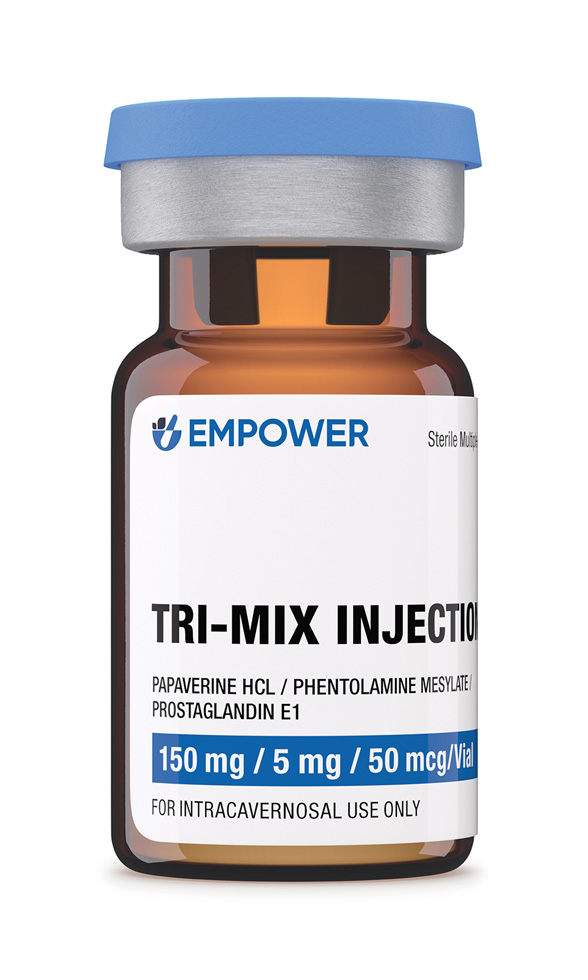 Tri-Mix Injection
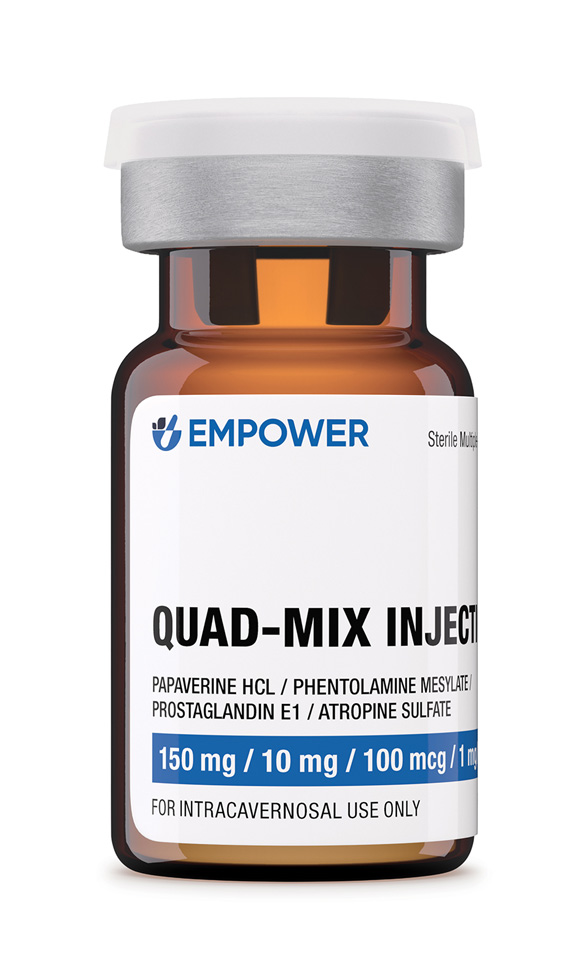 Quad-Mix Injection
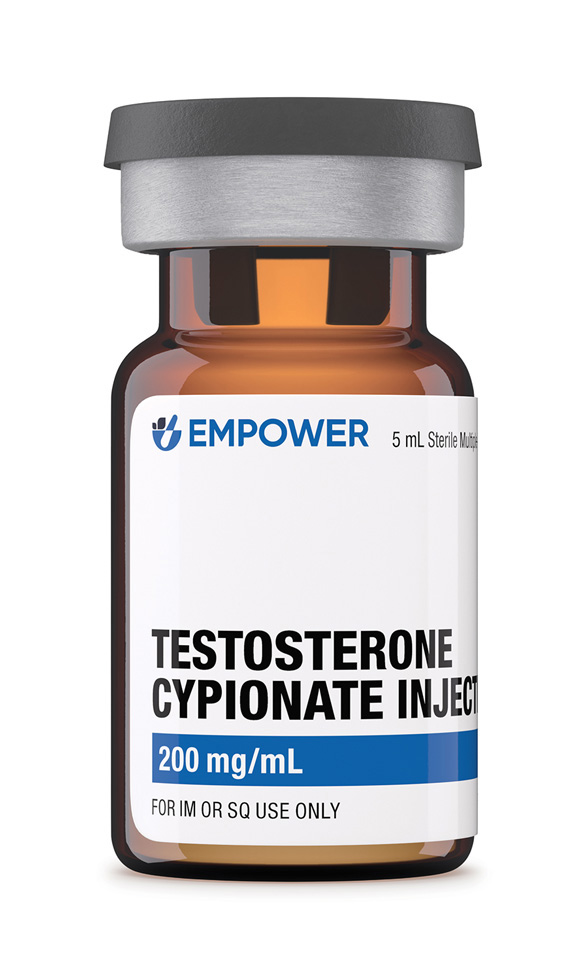 Testosterone Cypionate Injection
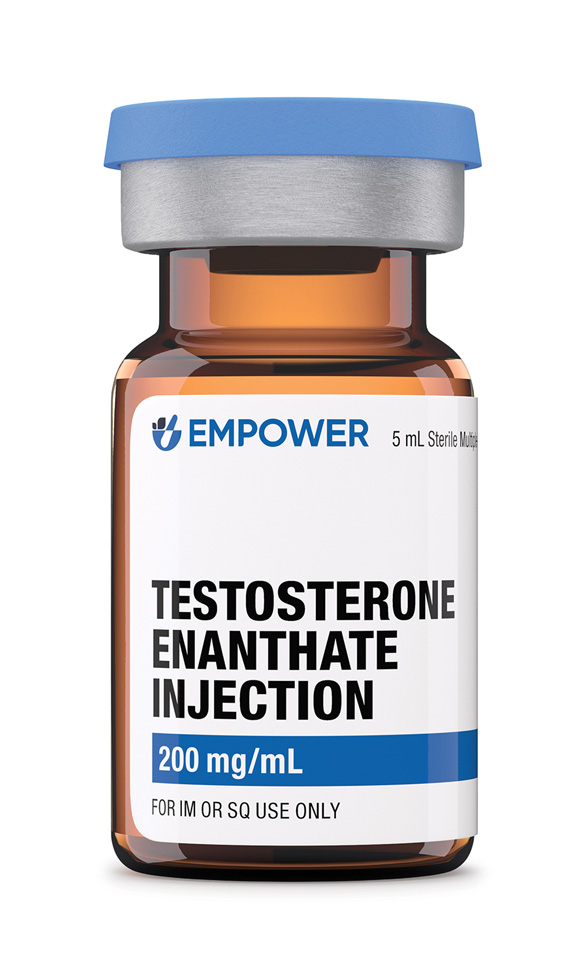 Testosterone Enanthate Injection
 Testosterone Cream
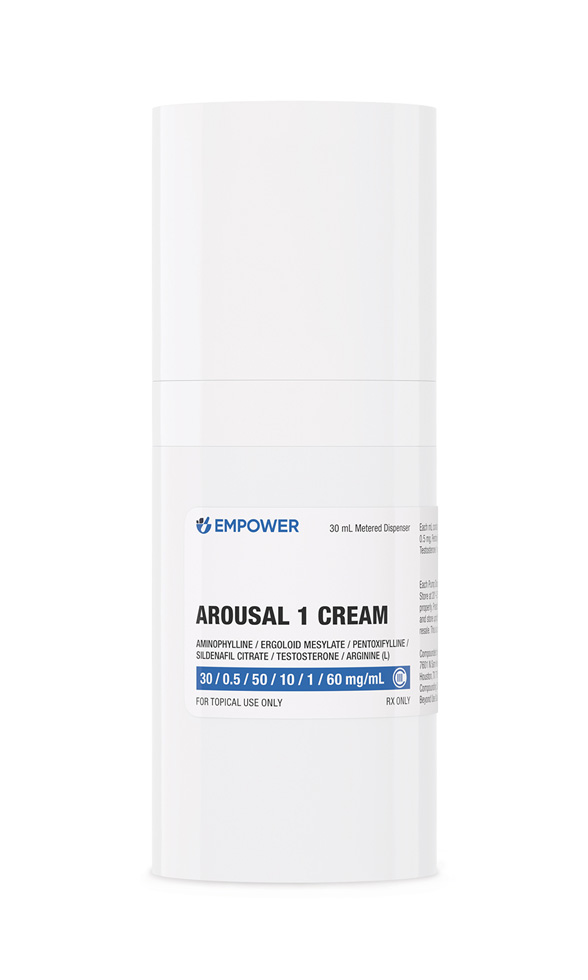 Arousal Cream
503A vs 503B
- 503A pharmacies compound products for specific patients whose prescriptions are sent by their healthcare provider.
- 503B outsourcing facilities compound products on a larger scale (bulk amounts) for healthcare providers to have on hand and administer to patients in their offices.
Frequently asked questions
Our team of experts has the answers you're looking for.
A clinical pharmacist cannot recommend a specific doctor. Because we are licensed in all 50 states*, we can accept prescriptions from many licensed prescribers if the prescription is written within their scope of practice and with a valid patient-practitioner relationship.
*Licensing is subject to change.
Each injectable IV product will have the osmolarity listed on the label located on the vial.
Given the vastness and uniqueness of individualized compounded formulations, it is impossible to list every potential compound we offer. To inquire if we currently carry or can compound your prescription, please fill out the form located on our Contact page or call us at (877) 562-8577.
We source all our medications and active pharmaceutical ingredients from FDA-registered suppliers and manufacturers.